<!DOCTYPE html>
What Every Culver City Homeowner Needs to Know About Rodent Pheromones
What Every Culver City Homeowner Needs to Know About Rodent Pheromones
Culver City has a tight housing grid, alley access behind many lots, and frequent roof-to-roof utility lines that act like highways for rats. Homes near busy corridors such as Washington Boulevard and Venice Boulevard also sit close to food sources and dumpsters. This blend creates a constant pressure of rodent activity. The trigger that keeps infestations coming back is not chance. It is scent memory. Specifically, pheromone trails.
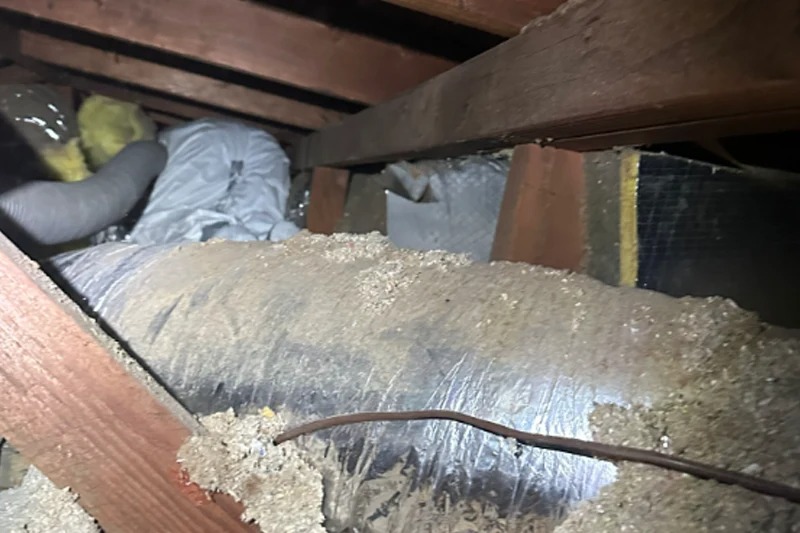
Rodent pheromones are chemical signals that tell other rats and mice where to nest, feed, and travel. They bind to dust, wood fibers, and old insulation in the attic. They linger after a basic clean up. If those signals stay in place, new rodents follow the same paths, even if traps recently cleared the last group. This is why proper attic decontamination in Los Angeles County homes has to neutralize scent markers, not just remove droppings.
Pure Eco Inc. Focuses on attic cleaning Los Angeles projects that deal with biohazards and energy loss at the same time. The team works across Culver City and neighboring service areas including Santa Monica, West Hollywood, Beverly Hills, Pasadena, Glendale, Burbank, and the Westside. The crews also handle hillside properties in Studio City and the Hollywood Hills where rooflines and gable vents invite pests. This article explains how pheromones work, where they hide, how they impact HVAC efficiency, and the steps that stop re-infestation in a Culver City attic.
Rodent Pheromones: What They Are and Why They Keep Calling Rodents Back
Rodents talk in scent. Each nest, runway, and food cache carries a blend of urine, gland secretions, and oils. Those compounds imprint on porous materials, especially cellulose-based insulation and dusty wood. The attic joists, drywall ceiling backs, and even the attic hatch pick up that signature. A homeowner can clean the visible mess and still leave a map that guides the next wave of pests.
Pheromone trails survive for months in cool, shaded attic cavities. In Culver City’s mild coastal-influenced climate, attic temperatures swing but do not sterilize these signals. Soffit vents, ridge vents, and gable vents push air over those residues and help carry the odor deeper into crevices. If a roof leak wets the insulation, the odor bond can intensify as organic matter breaks down. Once the space dries, the scent remains.
These cues drive behavior. A new rat that lives off an alley near Culver City High School or a strip of restaurants will follow utility lines, drop onto a roof, find a gap at a fascia board, and trace pheromones straight to a nest site under compressed batts. That is why contractors see repeat entry at the same penetrations near recessed lighting cans, electrical wiring, and the scuttle hole frame. The trail is stronger than any visual change a basic cleaning would make.
Why Pheromones Matter for Indoor Air and Energy Bills
A pheromone-laced attic affects more than pest behavior. It affects people and mechanical systems. Droppings, nesting fiber, and urine residue break into fine particles. Those particles ride stack effect air currents from the attic down through can lights, plumbing chases, and drywall seams. They reach the central air conditioning returns and the air handler. Once inside, they load the filter and settle along blower fins and evaporator coils. This reduces airflow and degrades heat transfer. The system must run longer and draws more power.
As insulation gets soiled or flattened, the R-value drops. The attic is no longer a stable thermal barrier. In a Los Angeles summer, the AC overworking becomes a regular complaint, especially in homes near Culver City’s sun-exposed tracts. In an older bungalow with minimal attic ventilation, heat loads combine with odor and dust to create musty odors in the living space. Some households notice allergic reactions. In rare cases where rodent species carry Hantavirus, airborne pathogens present a serious risk. No homeowner wants those threats moving through HVAC ductwork.
The problem compounds after storms. Post-storm roof leaks wet insulation, creating wet insulation mats that sludge together and collect more contaminants. Once dry, that material holds an even higher concentration of scent. The cycle restarts the moment a new rodent catches the trail along the top of a wall plate or through a gap at a gable vent screen.
How Pheromone Trails Form in Los Angeles Attics
Local architecture plays a role. Many Culver City and Westside homes blend old plaster walls with remodel-era recessed lighting. Those can lights open a pathway between the living space and the attic. Rodents pass near the fixtures and mark territory. Warm air rises through that same path and pulls odor down. Lofted spaces with whole house fans or attic fans move even more air across contaminated insulation.
Builders in Los Angeles often install soffit vents and ridge vents to improve attic ventilation. These features are essential for heat control. However, screens and baffles sometimes gap or fail. Rodents enter at the soffit, travel along baffles, and drop into bays. As they move, they leave pheromones. Pest control alone can trap active rodents, but the scent matrix stays embedded in cellulose dust, wood pores, and fiberglass binder.
Homes near Wilshire Boulevard, Hancock Park, Silver Lake, Sherman Oaks, Encino, Brentwood, Pacific Palisades, Los Feliz, and the Hollywood Hills share a pattern. Mature trees touch roofs. Power lines cross eaves. An attic hatch in a hallway stays unsealed or warped. Each of these details feeds a bigger problem that starts with pheromones and ends with another round of droppings over the drywall ceiling.
Clear Signals That Pheromones Are Driving Repeat Activity
The following observations point to an attic that continues to broadcast rodent signals and invite re-entry. Use this shortlist during a walk-through and while speaking with a contractor about attic cleaning Los Angeles services:
- Fresh droppings within a week of trapping or baiting, often along attic joists and near the attic hatch.
- Grease marks on rafters and around recessed lighting cans, with a stale or ammonia-like odor when the AC starts.
- Insulation trails that look like narrow, smooth runways across blown-in fiberglass or cellulose insulation.
- New chewed points at soffit vents or gable vents after previous sealing, often near baffles or wiring penetrations.
- Rising LADWP bills and AC overworking despite no thermostat change, plus musty odors in bedrooms.
Any one of these can show a problem, but two or more in a short span usually confirms that odors and pheromones are still in the structure. That means the attic needs more than traps. It needs neutralization and rebuild steps that address smell, airflow, and weak points in the envelope.
Decontamination That Breaks the Cycle in Culver City
Pure Eco Inc. Uses a process built for dense Los Angeles neighborhoods and the Mediterranean climate. The crew treats the attic as an environmental system that affects health and HVAC performance. The approach targets three goals: remove contamination and pheromone trails, restore thermal and air sealing performance, and block rodent entry with durable rodent proofing methods.
The team uses HEPA-filtered vacuum extraction to pull out droppings, nest fiber, and contaminated insulation without blowing particles into the living area. All removal routes are sealed, and containment barriers isolate the scuttle hole. EPA-approved disinfectants sanitize and disinfect high-contact surfaces, including top plates, electrical wiring chases, and the area around the air handler or branch ducts. The crew then air seals gaps using fire-rated sealants and covers around recessed lighting cans that are IC-rated, as well as electrical penetrations and plumbing stacks. This reduces stack effect, lowers dust travel, and removes odor pathways.
After cleaning and neutralization, installation choices matter. In many Culver City homes with shallow rafter bays, blown-in fiberglass from Owens Corning, Johns Manville, Knauf Insulation, or CertainTeed delivers high coverage over irregular surfaces. Where sound control or recycled content is a priority, cellulose insulation from Applegate Cellulose or GreenFiber performs well. In hot attics, a radiant barrier can cut heat gain from the roof deck. Where structural framing allows and the homeowner wants a premium seal, an Icynene spray foam upgrade adds air sealing and insulation in one step. For specialized assemblies, rigid Hunter Panels can solve edge cases around attic kneewalls.
Venting corrections complete the system. New baffles maintain clear airflow at soffit vents and guide air to ridge vents or gable vents without exposing insulation to wind washing. The contractor confirms the attic fan or whole house fan does not draw from contaminated cavities. The attic hatch gets weatherstripping and insulation. The vapor barrier strategy is evaluated based on roof load and interior humidity so moisture does not condense under batts. Each of these details matters to long-term odor control and R-value stability.
Rodent Proofing That Holds in Los Angeles County
Rodent proofing is only credible if it pairs precise sealing with pheromone removal. The team blocks entry points at soffit returns, fascia gaps, and roof-to-wall joints. Hardware cloth replaces loose screens at vents. Steel wool and sealants close small penetrations around conduit and refrigerant lines for heat pump and central air conditioning equipment. Where construction allows, the crew also checks the furnace closet for subfloor gaps and seals the return plenum so attic air cannot bypass filters.
This strategy does more than keep rodents out. It stops attic air, which can carry scent, from mixing with home air at the air handler. The result is a cleaner return path, less dust on coils, and steadier airflow. The home gains comfort and cuts energy waste. Many homeowners see a change during the next LADWP billing cycle, especially those in 90020, 90036, 90048, 90064, and 90068 zip codes where larger attics take in more heat across the day. The same gains show up in San Fernando Valley homes like 91364, 91367, 91403, 91436, and in 90210 hillside lots that bake under summer sun.
Material Choices: How to Match Insulation to Culver City Conditions
A rodent-heavy attic needs insulation that resists settling, tolerates service visits, and supports clean airflow. Blown-in fiberglass is popular because it fills gaps and keeps its loft when installed at the right density. It also does not hold moisture like paper. Cellulose insulation can add sound damping under flight paths to LAX and major arterials, and modern borate treatments deter insects. Rockwool batts handle heat well near recessed lighting cans that are IC-rated and marked safe, and they resist mold growth in case a minor roof leak occurs before repairs.
Where a homeowner plans a deep retrofit, closed cell or open cell spray foam such as Icynene can air seal and insulate the roof deck. This keeps ducts and the air handler in a semi-conditioned space if they are in the attic. It can also reduce dust migration dramatically. However, spray foam requires correct ventilation strategy and careful planning around roof leaks and future service access. For most Culver City projects, a cleaned and sealed attic floor with blown-in fiberglass or cellulose plus radiant barrier and baffles gives strong results with clear service access.
Brand matters for durability and verified R-value. Pure Eco Inc. Regularly installs Owens Corning and CertainTeed for fiberglass, and uses Applegate Cellulose or GreenFiber for cellulose upgrades. In special assemblies, Hunter Panels help shape thermal breaks at tricky knee walls. These choices hold up under LA heat and allow future rodent inspections without blowing the insulation plan.
HVAC Protection: Keep Pheromones Out of the Air Handler
Many calls start with a homeowner saying the AC smells musty or sour at startup. That odor points to attic air reaching the central air conditioning intake or return path. Once pheromone-laced particles pass the filter, they cling to coil fins and ducts, and the odor lingers. The fix ties back to full attic decontamination, followed by air sealing above the drywall ceiling and around mechanical chases. With those gaps closed, the furnace, heat pump, or air handler breathes from the intended path, not from a contaminated attic.
The crew checks ductwork for breaches and verifies that strap hangers and connections do not rub through insulation wraps. The return plenum is sealed, and a new filter slot cap is set so no bypass air sneaks around the filter. A diagnostic airflow test confirms design-level CFM. This step restores performance and keeps Energy Star equipment operating as tested. It also extends the life of the system by reducing dirt on the evaporator coil and blower wheel.
Local Proof Points Across Los Angeles
Work sites across Los Angeles County have a common thread: scent control first, then structure. Crews are often seen near Wilshire Boulevard where they protect historic Hancock Park homes without disturbing plaster ceilings. Another day could be a mid-century in Silver Lake with open beam framing that needs careful baffle placement, or a hillside house in Studio City that funnels rodents from trees onto the roofline. Projects along Olympic Boulevard and Venice Boulevard in Culver City often blend rodent proofing with mold remediation where clogged gutters sent water into the attic. In Brentwood or the Pacific Palisades, radiant barrier upgrades cut roof heat while rodent proofing tightens soffits near ocean winds.
Local landmarks frame the route. The team moves between The Getty Center, the Griffith Observatory, the Hollywood Bowl, the La Brea Tar Pits, USC, the Staples Center, and the Santa Monica Pier zones week after week. The service map covers Koreatown apartments with tight scuttle holes, Los Feliz homes with aging gable vents, Sherman Oaks and Encino ranches with long attic runs, and Hollywood Hills properties that pair rodent defense with safety lighting around attic walkways.
Homeowners across 90020 and surrounding zip codes call for the same reason. Trapping worked, then failed. Odor stayed. Utility costs spiked. The attic never became safe, clean space. Neutralizing pheromone trails during full attic decontamination is what breaks that loop.
What to Expect During a Professional Visit
A structured process keeps a Los Angeles home clean during removal and gives measurable results at the end. It starts with a free attic inspection that documents entry points, droppings, R-value degradation, and debris around the attic fan or whole house fan. The team photographs the attic joists, notes damage at soffit vents, confirms baffle conditions, and checks moisture stains under the roof deck.
- Containment and HEPA-filtered vacuum extraction remove rat droppings and loose material without cross-contaminating living areas.
- Sanitize and disinfect surfaces with EPA-approved disinfectants, focusing on pheromone trails and high-traffic rodent runways.
- Air sealing of recessed lighting cans, electrical wiring penetrations, plumbing stacks, and the attic hatch to stop stack effect and odor migration.
- Rodent proofing at soffit vents, ridge vents, gable vents, and fascia gaps using hardware cloth and sealants rated for exterior use.
- Thermal barrier installation using blown-in fiberglass or cellulose insulation, plus radiant barrier and attic ventilation corrections with new baffles.
The crew then performs a diagnostic airflow test, documents R-value, and verifies that the attic hatch closes tight with weatherstripping. If a furnace or heat pump sits below the attic, the return duct seals are inspected so that dust does not enter downstream. The homeowner receives a summary that shows before-and-after photos and notes any roof leaks that need a roofer.
Edge Cases and Smart Trade-Offs
Some Culver City homes have recessed lighting that is not IC-rated. In that case, the team uses fire-safe covers or adjusts insulation depth to maintain clearance. If an older home has knob-and-tube wiring, insulation strategy changes until a licensed electrician upgrades the wiring. Where a whole house fan exhausts into the attic, that pathway must be sealed or redirected to maintain air quality after decontamination.
Choosing between cellulose and fiberglass often comes down to service access and moisture history. Cellulose packs well and deadens sound near busy streets, but it holds water longer after a roof leak. Fiberglass drains and dries faster, which helps if roof leaks are a known risk. Spray foam delivers top air sealing but can limit future roof leak detection at the deck. For many LA projects, a high R-value blown system with good ventilation and a radiant barrier gives the best balance of comfort, serviceability, and cost.
Attic ventilation requires judgment. A ridge-and-soffit system moves air well under most LA conditions. Gable vents can short-circuit airflow if they dominate. Baffles prevent wind washing at eaves, which protects R-value. The key is to move air across the roof deck without stirring insulation or creating suction near the attic hatch. That balance keeps pheromone residues from moving and keeps temperature even across seasons.
Materials and Standards That Build Trust
Pure Eco Inc. Is bonded and insured, operates as a certified insulation contractor, and is an Energy Star Partner. The company uses industrial-grade HEPA vacuums so contaminants stay out of living areas during removal. EPA-approved disinfectants neutralize pheromone trails and pathogens. Where product longevity matters, the crew installs materials from Owens Corning and CertainTeed. High-performance options include Icynene spray foam, Applegate Cellulose, GreenFiber cellulose, and Hunter Panels for custom thermal barriers.
Many projects carry a lifetime warranty on workmanship for installed insulation and air sealing. The warranty scope is explained during the site visit so expectations are clear. The focus is predictable indoor comfort, stabilized LADWP bills, and a rodent-resistant shell that holds across seasons. That is the bar that keeps homes near the Santa Monica Pier, Griffith Observatory, and the Hollywood Bowl area comfortable and safe through summer heat and winter rains.
Frequently Asked Questions About Attic Safety and Rodent Odors
How long do pheromone trails last in a Los Angeles attic? They can linger for months on porous surfaces. Heat and airflow move the scent around, but do not erase it. Sanitization and removal of contaminated insulation are needed to reset the space.
Can basic pest control stop re-entry without decontamination? Trapping clears active rodents. Without decontamination and rodent proofing, the residual scent map brings new rodents in through the same openings. Both steps are needed.
Will new insulation alone remove odors? No. New insulation placed over soiled surfaces traps odor rather than neutralize it. That is why the process starts with HEPA removal and EPA-approved disinfectants, then air sealing, then new insulation.
What about mold remediation when roof leaks occur? If roof leaks created mold on roof deck or framing, that is treated during the same visit. The crew isolates the area, removes wet insulation, applies antimicrobials where appropriate, and sets ventilation to dry the deck once leaks are repaired by a roofer.
Will this help the AC or furnace? Yes. Cleaner attics reduce dust intake at returns, protect the air handler, and keep ducts cleaner. The system runs closer to design airflow and does not fight against dirty coils or clogged filters. Many homes see faster cooling and quieter operation.
Why This Matters in Culver City, Right Now
Rodent pressure in Culver City remains high due to alley networks, dense dining corridors, and shared rooflines. Seasonal heat waves push attics above comfort thresholds, while winter rains test flashing and vents. A single missed pheromone trail can bring the problem back. A clean, sealed, and ventilated attic protects the home, the HVAC system, and the family’s health.
For homes across the wider Los Angeles basin, from Koreatown to Encino, the same pattern holds. Older framing, recessed lighting penetrations, and aging vent screens create entry. The fix is measurable: remove contamination, sanitize and disinfect, air seal penetrations, restore R-value with the right materials, and set up rodent proofing that lasts.
Service Footprint and Local Familiarity
Pure Eco Inc. Serves Culver City and the greater Los Angeles, CA market across 90020, 90036, 90048, 90064, 90068, 91364, 91367, 91403, 91436, and 90210. The team handles attic cleaning Los Angeles requests from Santa Monica to Studio City, and from Glendale to West Hollywood. Crews navigate narrow driveways, protect landscaping, and finish projects without tracking debris through the home. Neighbors often notice quieter AC and fewer odors within days. That result comes from neutralizing pheromones and rebuilding the attic to modern standards.
Ready for a Clean, Quiet, Rodent-Resistant Attic?
Book a free 25-point attic inspection and diagnostic airflow test. A specialist will check the attic joists, confirm R-value, evaluate soffit vents and baffles, and locate entry points near gable vents and the attic hatch. If sanitizer is needed, the team explains the EPA-approved disinfectants used and the steps taken to isolate the workspace. You receive a clear plan that covers insulation removal, rodent proofing, air sealing around recessed lighting cans and electrical penetrations, and thermal barrier installation with verified brands.
Pure Eco Inc. — bonded and insured, Energy Star Partner, certified insulation contractor — delivers attic decontamination, insulation removal, sanitize and disinfect service, rodent proofing, air sealing, radiant barrier, blown-in fiberglass, cellulose insulation, attic ventilation, and mold remediation. The company serves Los Angeles County from the San Fernando Valley to the Westside with a process built for local construction and climate.
Call +1 877-773-3261 or request a visit online. Ask about the lifetime warranty on workmanship and same-week scheduling near Wilshire Boulevard, Hancock Park, Culver City, and surrounding neighborhoods. Breathe cleaner air, protect the HVAC system, and stop pheromone trails from calling rodents back.
Pure Eco Inc. provides professional attic insulation and energy-efficient home upgrades in Los Angeles, CA. For more than 20 years, homeowners throughout Los Angeles County have trusted our team to improve comfort, save energy, and restore healthy attic spaces. We specialize in attic insulation installation, insulation replacement, spray foam upgrades, and full attic cleanup for properties of all sizes. Our family-run company focuses on clean workmanship, honest service, and long-lasting results that help create a safer and more efficient living environment. Schedule an attic insulation inspection today or request a free estimate to see how much your home can benefit.
Pure Eco Inc.
422 S Western Ave #103
Los Angeles,
CA
90020,
USA
Phone: (213) 256-0365
Website:
https://www.pureecoinc.com
Attic Insulation in Los Angeles
Social Media: Facebook | X | Instagram | Yelp
Map: View on Google Maps